Introduction
As summer systems, the sweltering warmness can make existence uncomfortable with out a nontoxic aircon approach. Whether you’re seeking to buy an air conditioner online or install one you already very own, awareness tips to correctly deploy an AC unit is indispensable. This book affords a entire listing for DIY air conditioner deploy, making sure you've gotten all the suggestions you desire to hold your home cool and cozy.
This article will quilt the whole thing from picking out the properly dimension of AC unit to figuring out what type of air conditioner suits your desires only. We’ll additionally delve into the principal steps involved in installing and upkeep, aiding you preclude familiar pitfalls. So, enable’s dive in!
A Complete Checklist for DIY Air Conditioner Installation
Installing an air conditioning unit may well look daunting to start with, however with the true instruction and talents, it could possibly be a simple strategy. The following listing breaks down the mandatory steps and concerns for a helpful installation.
Understanding Your Needs
What Size of AC Unit Do I Need?
Choosing the fitting dimension of your air con unit is relevant for superior overall performance. An undersized unit will fight to chill your space, whilst an outsized one may just cycle on and stale too ordinarilly, major to inefficiency.
https://brooksycki348.yousher.com/when-is-it-time-to-upgrade-your-old-air-conditioner- Calculate BTUs Needed: The cooling capability of AC instruments is measured in British Thermal Units (BTUs). To recognize what percentage BTUs you desire: Measure your room dimensions (size x width). Multiply general rectangular footage by way of 20 BTUs.
Example: For a four hundred sq toes room:
400 sq feet x 20 BTUs = 8,000 BTUs is required.
How Do I Know What Type of Air Conditioner to Buy?
The sort of air conditioner you want relies upon on various factors inclusive of price range, room layout, and personal personal tastes. Here are some elementary versions:
Window Units: Affordable and hassle-free to install; properly for unmarried rooms. Split Systems: More green; quality for cooling a number of rooms. Portable Units: Versatile; supreme once you desire mobility. Central AC Systems: Best for bigger houses requiring entire-house cooling.
Gathering Tools and Materials
Before establishing your install challenge, make certain you could have the entire precious methods:
- Screwdrivers (flathead and Phillips) Measuring tape Level Power drill Circuit tester Safety goggles Duct tape Insulation tape
Preparing for Installation
Selecting the Right Location
Choose a situation that maximizes potency. Ideally, position your unit in a shaded side that avoids direct daylight that may hinder functionality.
Checking Electrical Requirements
Ensure that your electrical procedure can manage the load of the hot AC unit:
Confirm voltage requisites (most items require either 115V or 230V). Check circuit breakers to ensure that they in shape specs. Consider hiring an electrician in case you're doubtful about electrical paintings.Installation Steps
Step 1: Preparing the Space
Clear out any obstacles the place you'd set up the AC unit. If it's a window unit, remove any screens or limitations quickly.
Step 2: Installing Window Units
For window gadgets:
Place the unit on a flat surface before lifting it into role. Ensure correct sealing with weather stripping or insulation tape. Secure brackets in response to producer directions. Use a level to determine that's fairly tilted outward for correct drainage.Step 3: Setting Up Split Systems
For break up techniques:
Install indoor parts on partitions clear of direct solar. Drill holes for refrigerant strains with the aid of partitions. Connect indoor and out of doors sets as in line with enterprise directions.Testing Your Installation
Once established, it’s time to test your new AC device:
Turn on vitality at circuit breaker. Set thermostat to wanted temperature. Check airflow by vents; pay attention for strange sounds which might point out points.Maintenance Tips Post-Installation
Maintaining your AC equipment no longer merely prolongs its existence but guarantees effective operation:
Change filters customarily (each 1–three months). Clean condenser coils once in line with season. Schedule knowledgeable inspections each year.Frequently Asked Questions
1. Can I Install My Own AC Unit?
Absolutely! Many home owners effectually handle DIY installations with careful making plans and adherence to safety protocols.
2. How Long Does It Take to Install an AC Unit?
Typically, it takes about three–6 hours based at the variety of unit and past expertise.
3. Do I Need Permits for Installation?
Check local restrictions as allows will be required based totally on neighborhood construction codes.
four. What Should I Do if My AC Isn’t Cooling Properly After Installation?
If cooling things come up post-set up:
- Check if filters are sparkling, Ensure windows are sealed, Review installing guidelines for proper setup.
five. Is It Cheaper to Hire Professionals Than Doing It Myself?
While hiring pros incurs labor expenditures, DIY can shop check should you're trained and comply with checklist sparsely.

6. Where Can I Find The Best AC Companies in Canada?
You can discover official enterprises indexed at ACprices.ca, which serves as an intensive listing of caliber service companies across Canada.
Conclusion
In abstract, installation an air con unit doesn’t ought to be overwhelming with our finished record handy! By realizing your wants— from sizing up your house actually to selecting proper resources— and adhering closely to each step outlined above, you are neatly to your approach towards enjoying a funky sanctuary at some point of those hot summer season days.
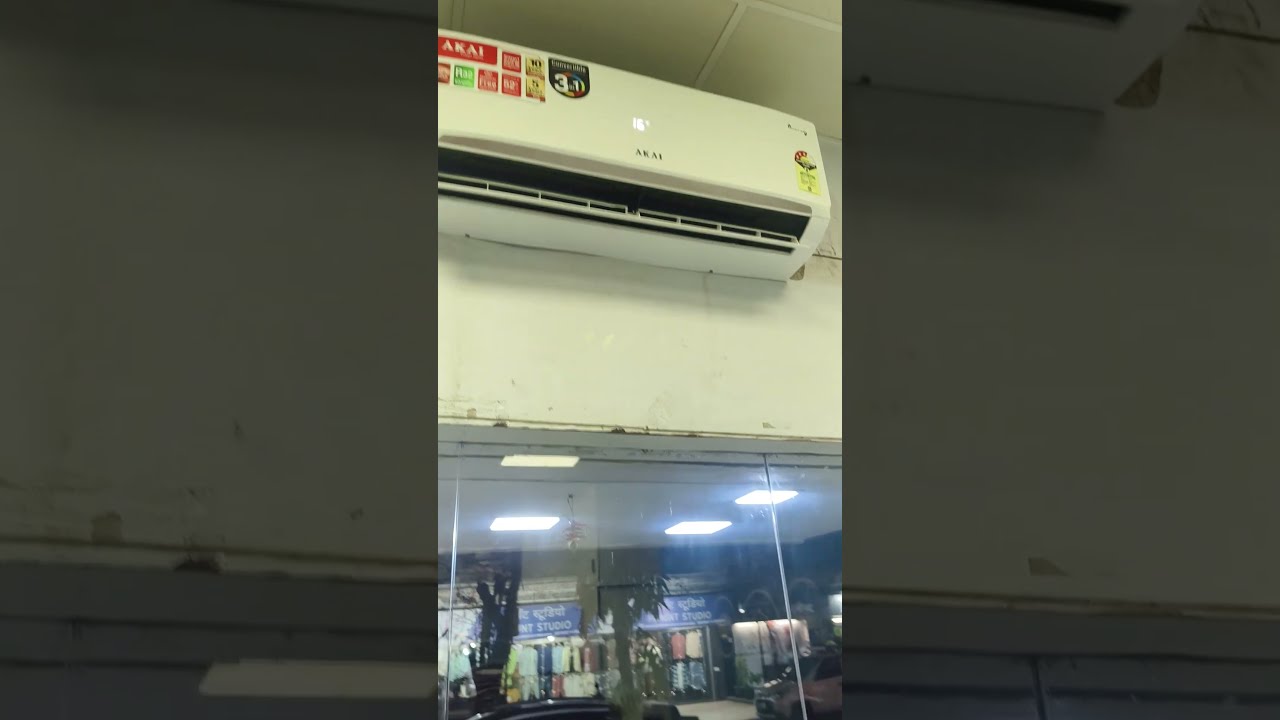
Whether you might be installing a window unit or making a choice on greater tricky split procedures, this guideline has fitted you with invaluable insights into constructive deploy practices although additionally emphasizing ongoing upkeep needs— guaranteeing long-term pride together with your investment in remedy!
Now that you've were given all this files at your fingertips—are you geared up to deal with that DIY assignment confidently? Remember continually prioritize security! Happy cooling!